Humans have deliberately burned naturally occurring fossil hydrocarbons for at least tens of thousands of years. The purpose and scale changed radically with coal, steam power, oil and the modern industrial economy.
This long history gives the North Tyne proposal its central idea: leaving fossil fuels is not merely swapping one car or boiler. It is a coordinated change in transport, heat, food production, farming, electricity and community infrastructure.
Around 70,000 years ago, prehistoric humans discovered that crude petroleum seeping naturally to the surface burned with a bright, steady flame. They hollowed out rocks to create the world's first crude oil lamps, using moss or plant fibers as wicks. Source
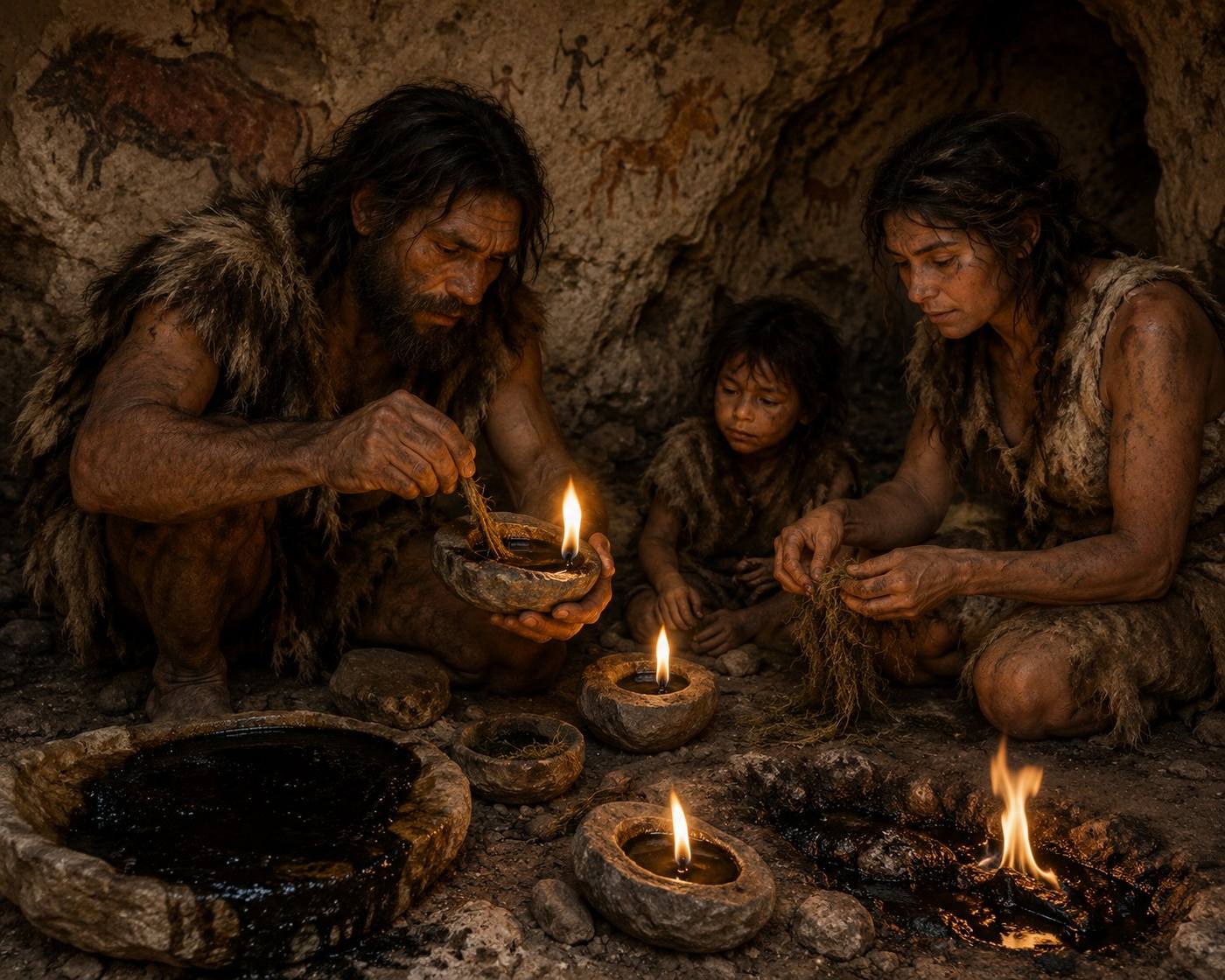

Approximately 40,000 years ago, Neanderthals in modern-day Syria deliberately heated and burned natural bitumen over fires to melt it down, using the sticky residue as an adhesive to attach stone tools to wooden shafts. Source
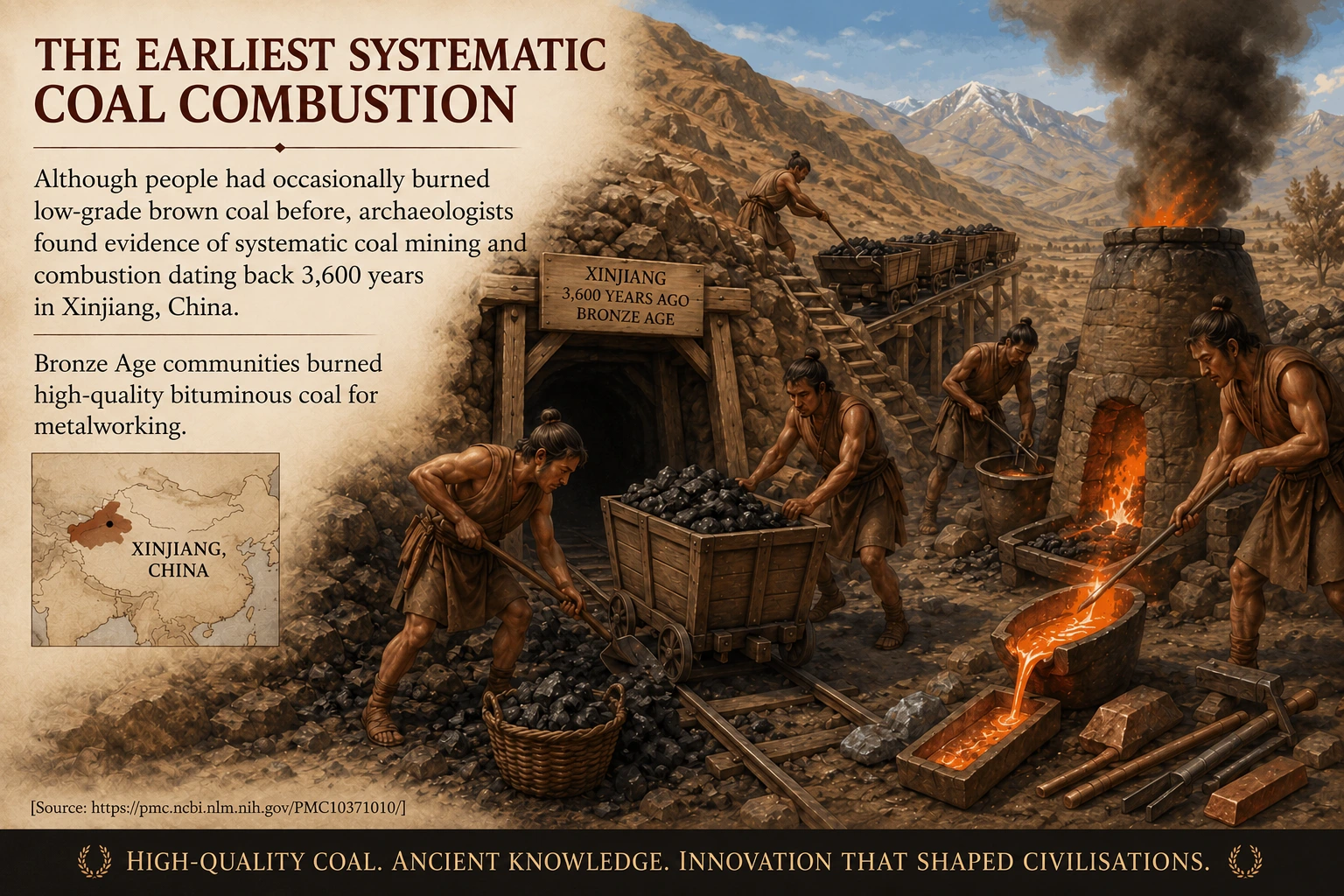
While humans occasionally burned low-grade brown coal prior, archaeologists found the first evidence of systematic coal mining and combustion dating back 3,600 years in Xinjiang, China. Bronze Age societies actively burned high-quality bituminous coal to smelt copper and iron. Source
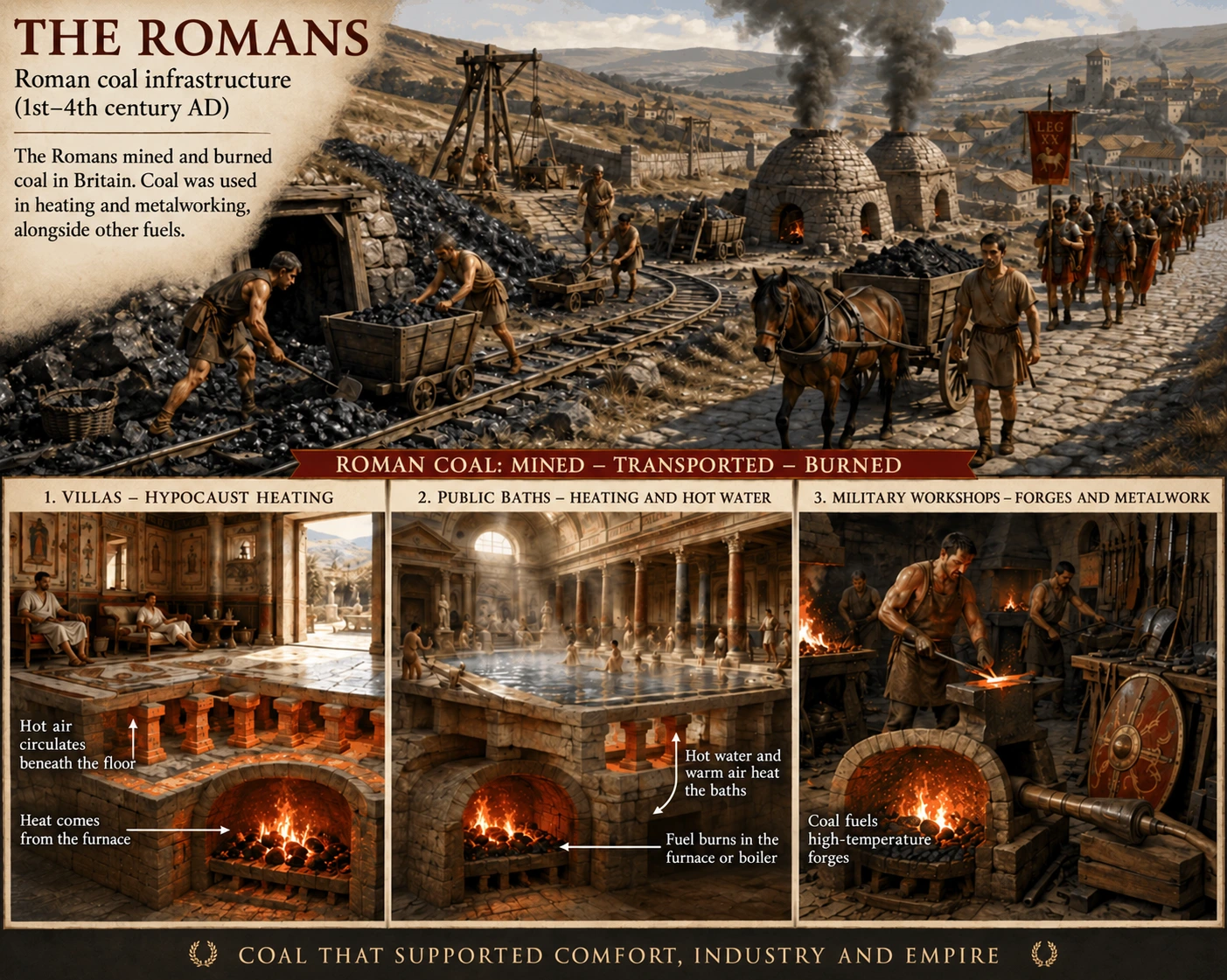
The Romans aggressively mined and burned coal in Britain. They used it to fuel under-floor heating systems (hypocausts) in luxury villas, public baths and military smithies.
Before the Industrial Revolution, burning fossil fuels was a localized, supplemental activity. Wood and animal dung remained the dominant fuel source for heat.

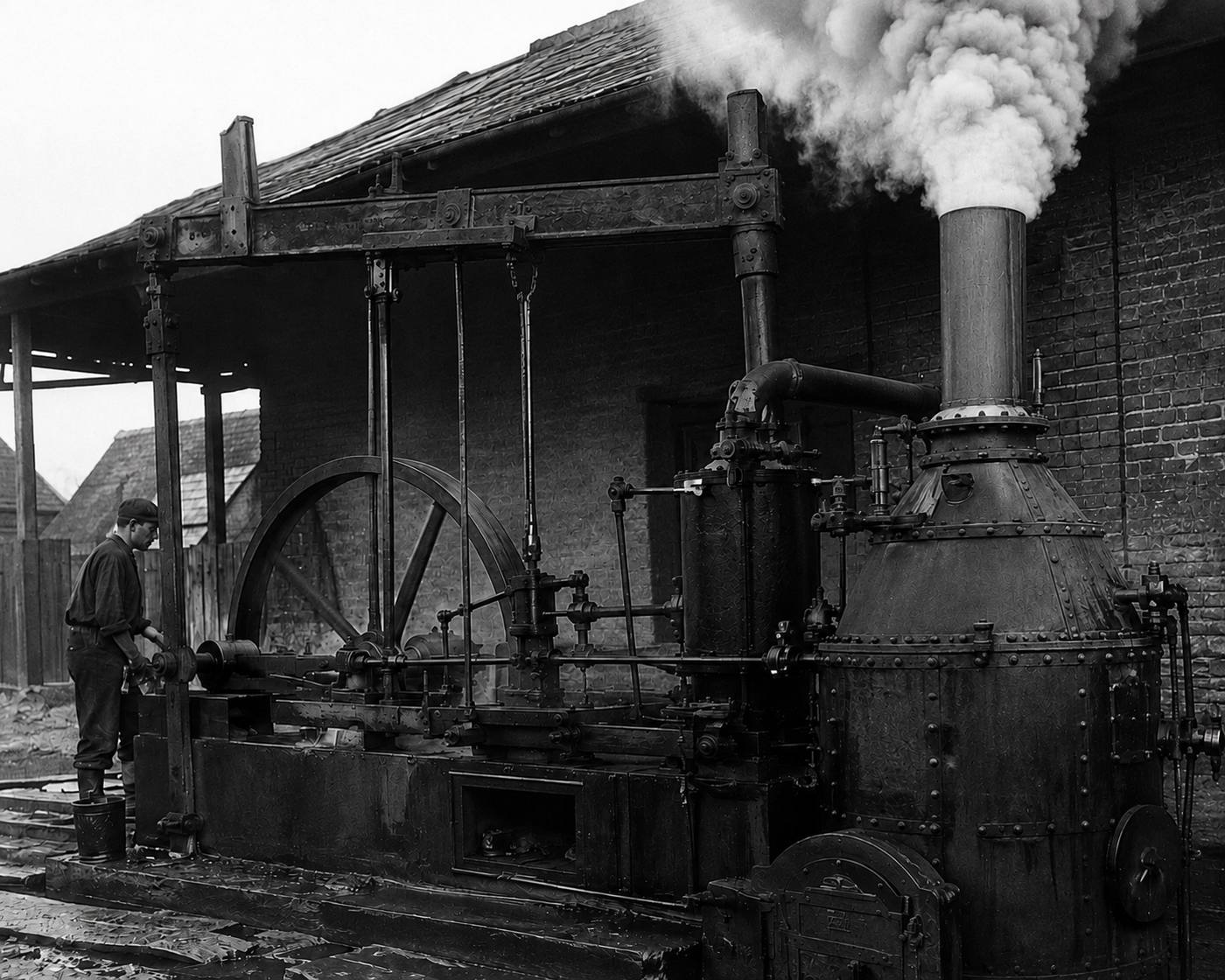
The invention of the coal-fired steam engine shifted fossil fuel combustion from a source of mere light or heat into a source of mechanical power and, later, electricity generation.
This page focuses on the origins of combustion, not its recent impact. It doesn't cover, for example, how much carbon dioxide has accumulated in the atmosphere since large-scale combustion began, or the timeline of when natural gas combustion became standardized.
Energy4me — history of petroleum. ScienceDaily — Neanderthal bitumen processing. PMC / National Library of Medicine — coal mining in Xinjiang.
This page offers general historical context and does not describe any facility, figure or commitment specific to the project. The dates cited come from publicly available archaeological and historical research and may be revised as new findings are published.