Keir Starmer — Labour Party
British centre-left political speech for context only; no endorsement of this project is implied.
The project is intended to strengthen existing North Tyne businesses rather than replace them.
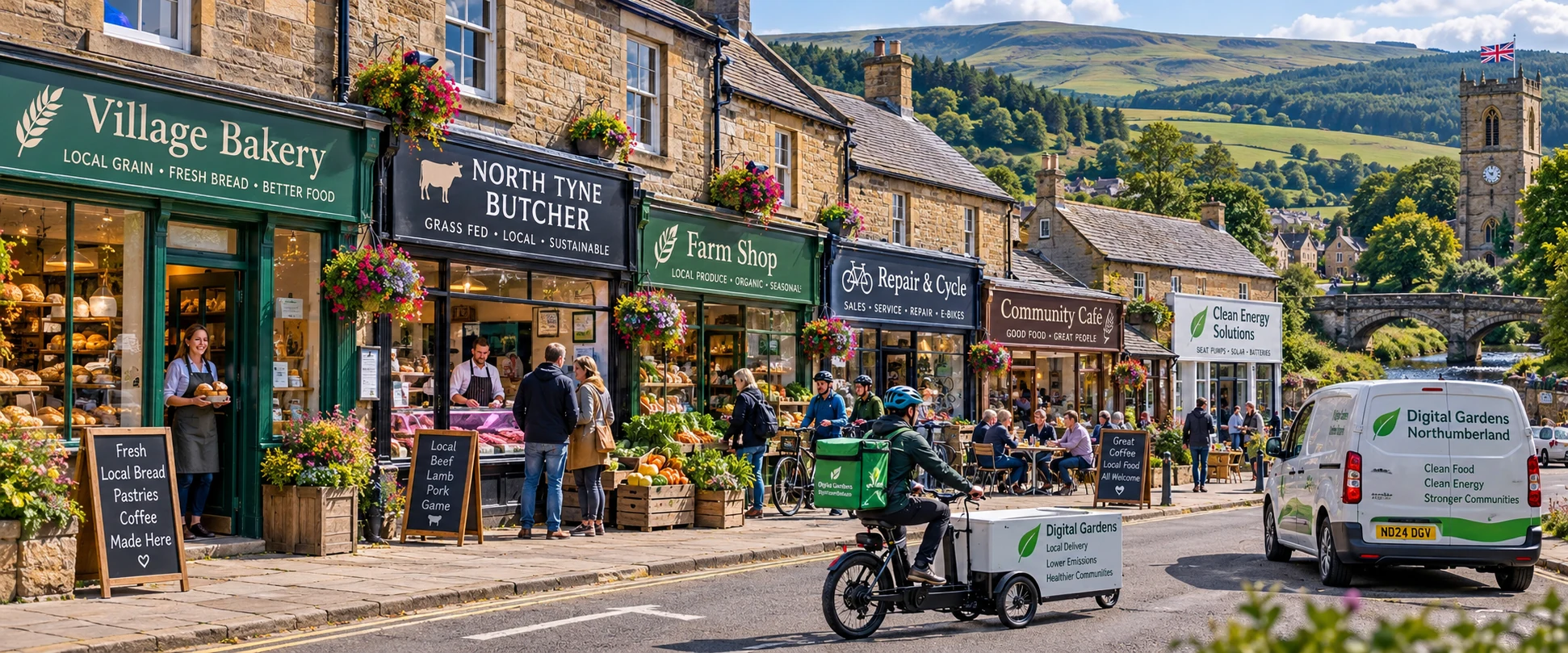
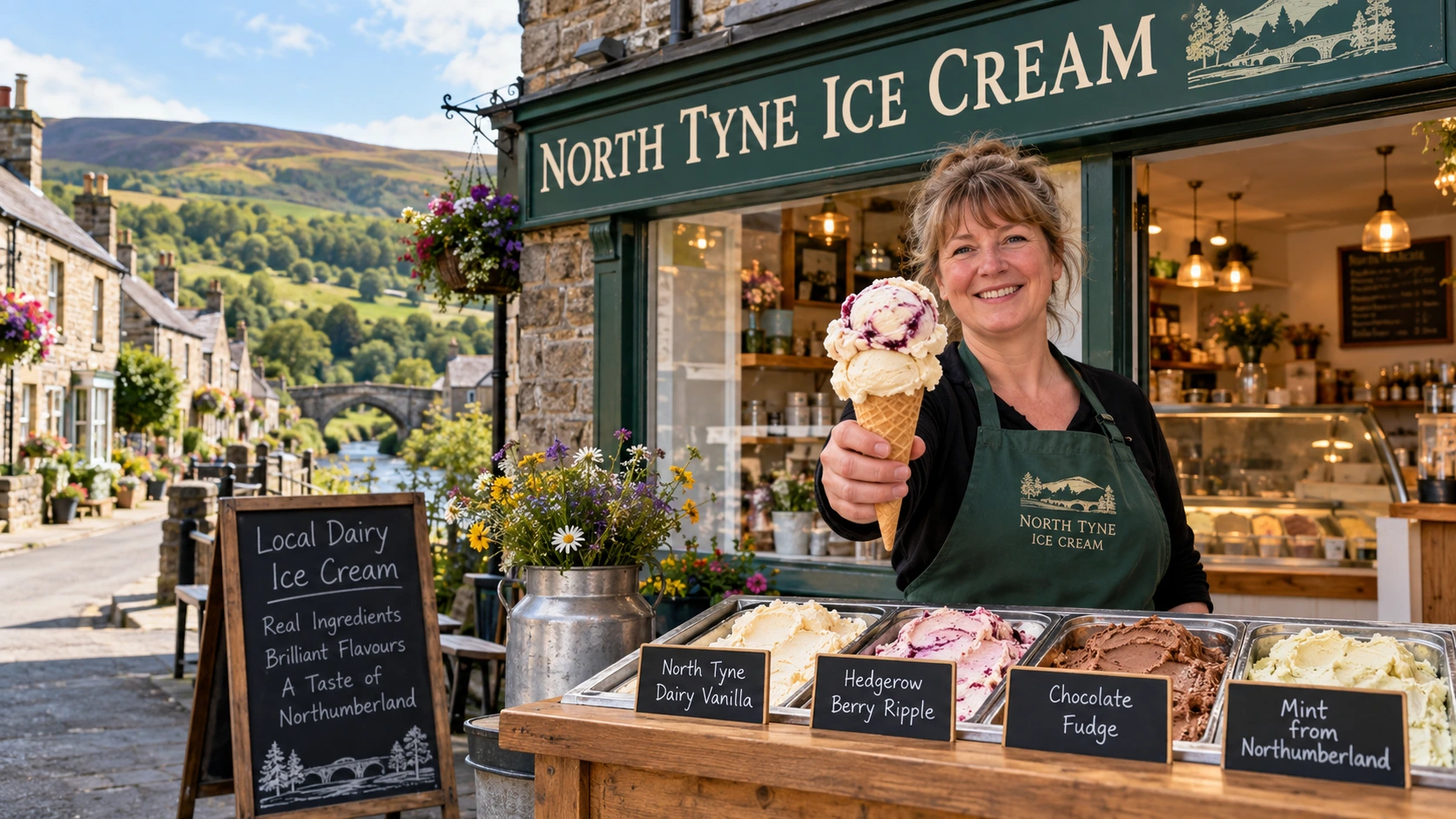
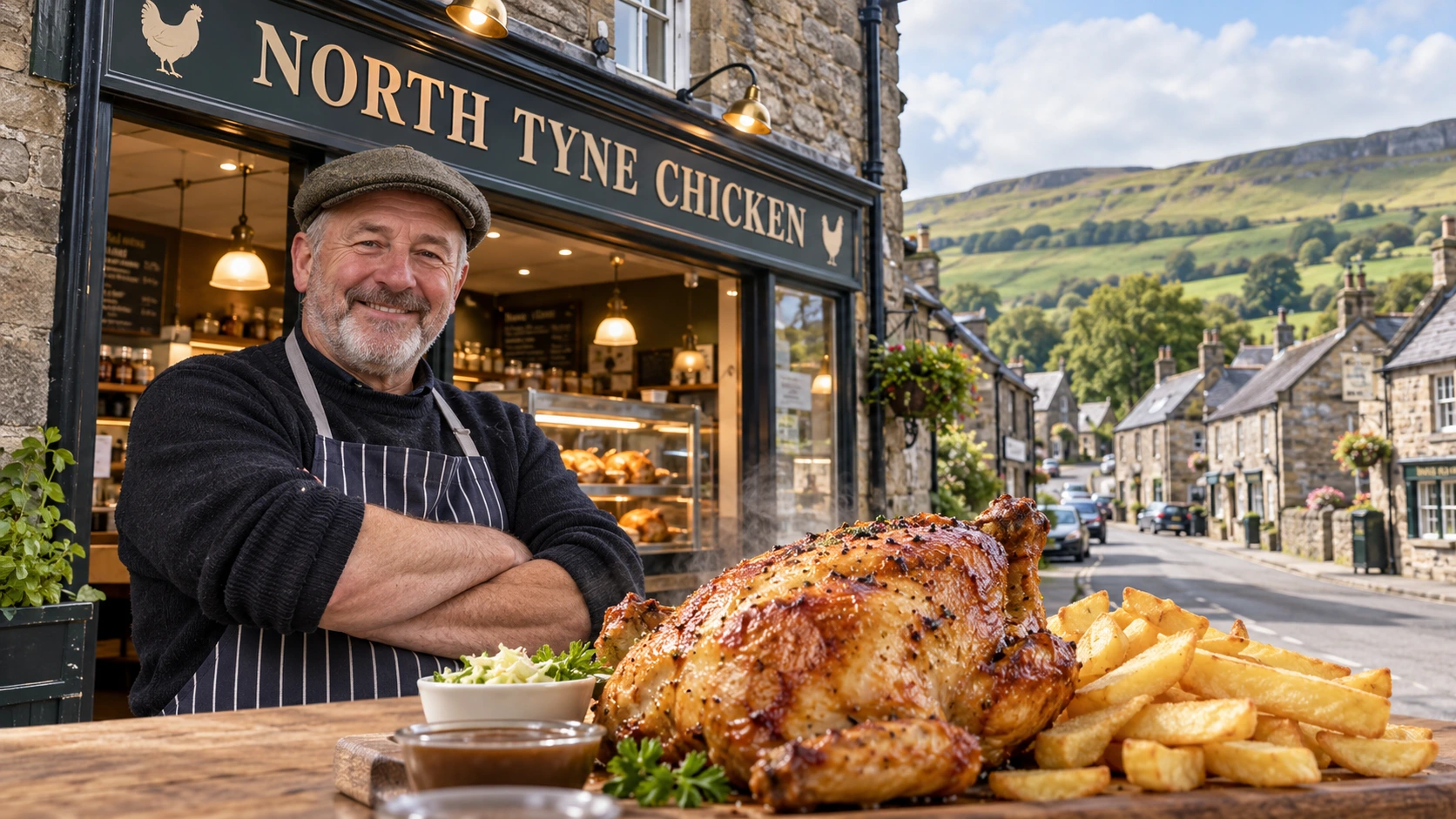
The UK version centres local bakeries, butchers, farm shops, cafés, bicycle and EV services, clean-energy trades and delivery businesses in a recognisably Northumberland streetscape. The aim is to keep more household and infrastructure spending circulating through the valley, while increased tourism and higher visitor spending can improve turnover and profitability for participating local businesses.
 LOW CARBON
Because the additional cost of renewable fuels is subsidised for participating farmers, the fuel transition is not intended to add a penny to their operating costs. Farmers also benefit from the wider vehicle, charging, energy and local-supply programme.
British centre-left political speech for context only; no endorsement of this project is implied.
British centre-right political speech for context only; no endorsement of this project is implied.
General political-context statements. Neither of them has commented on or endorsed this project.
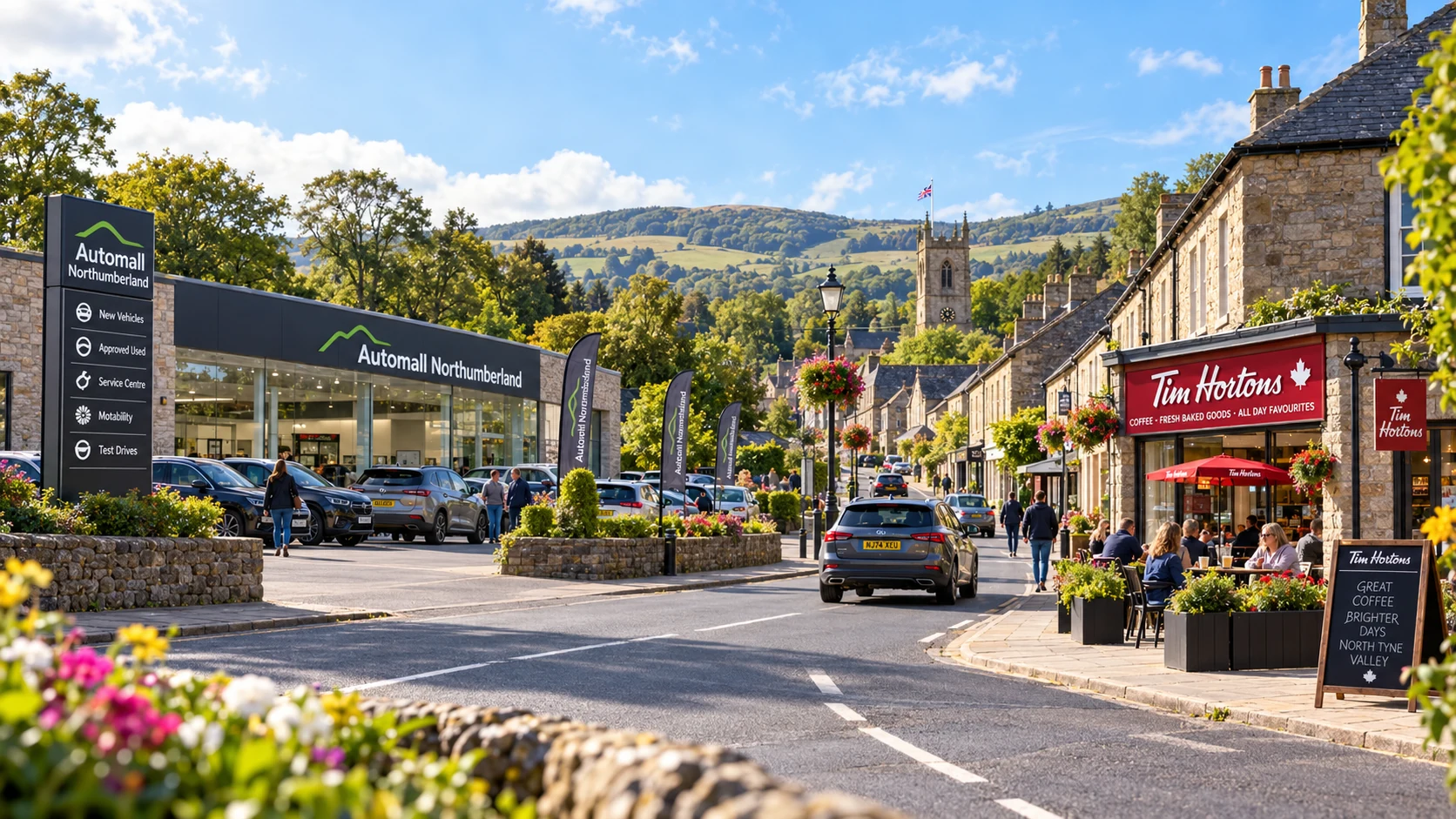
This project is not designed as a party-political programme. It addresses rural depopulation through new employment, tourism, local food production and infrastructure investment. Farmers and cooperatives could sell lower-carbon British cured meats, beef, lamb, dairy products, bread and flour into markets such as Newcastle, Edinburgh, Leeds and London, while the same greenhouse, data-centre heat-reuse and local-energy model could be replicated by farms elsewhere in the region. More visitors, cleaner hospitality offers and stronger destination branding can also increase local business profit.
The North Tyne base case centres sheep, beef cattle, grass-and-clover pasture, hay and silage, then adds free digestate where agronomically suitable, renewable energy, biogas and farmer-owned products. Lucerne is an optional supplementary crop on suitable free-draining land rather than the default. The inherited physical model predicts about 34.3% lower beef footprint with its design measures and up to 91.5% in the future maximum; for cheese, about 53.8% in the design and 88.0% at the future maximum.
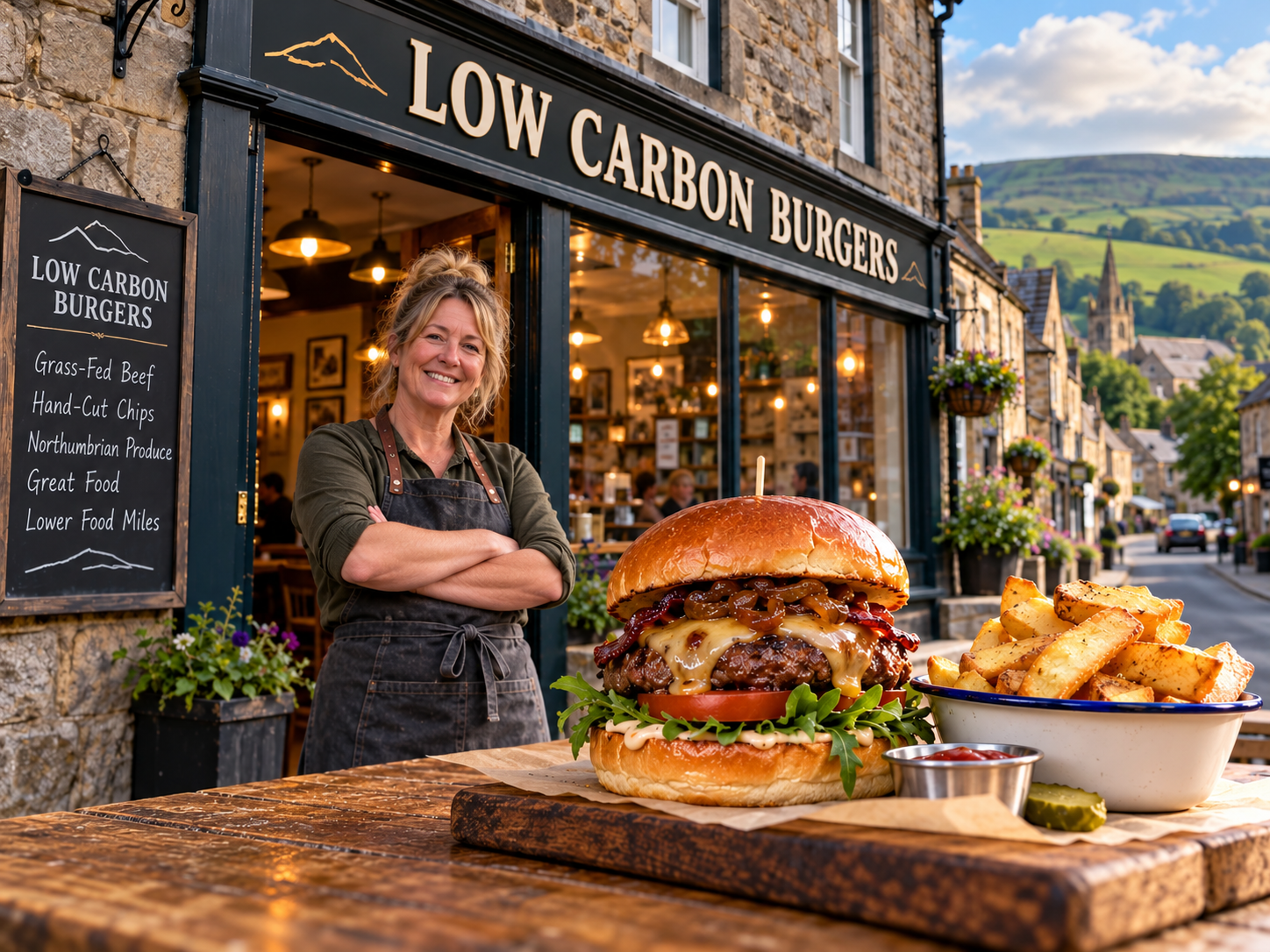
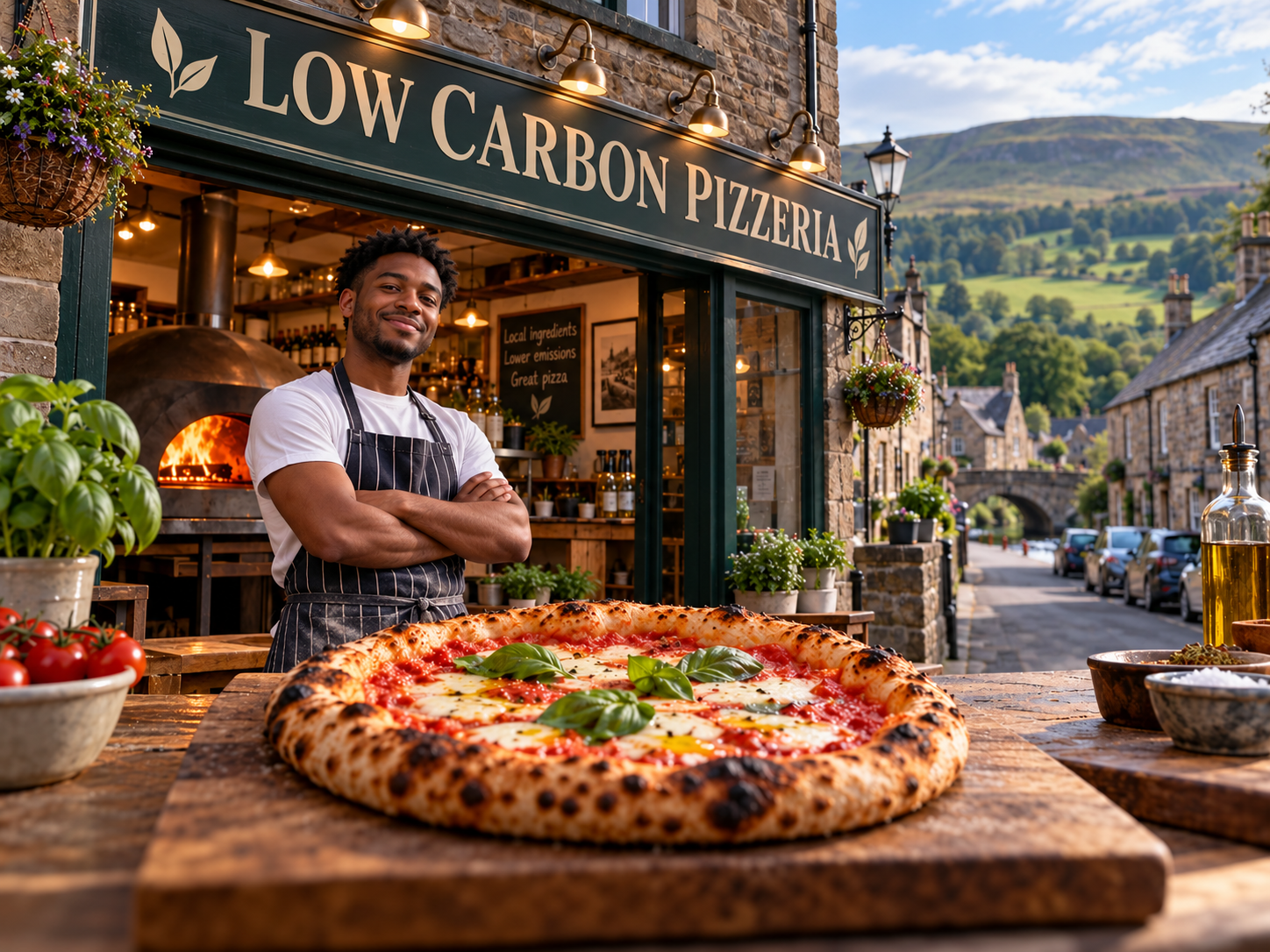
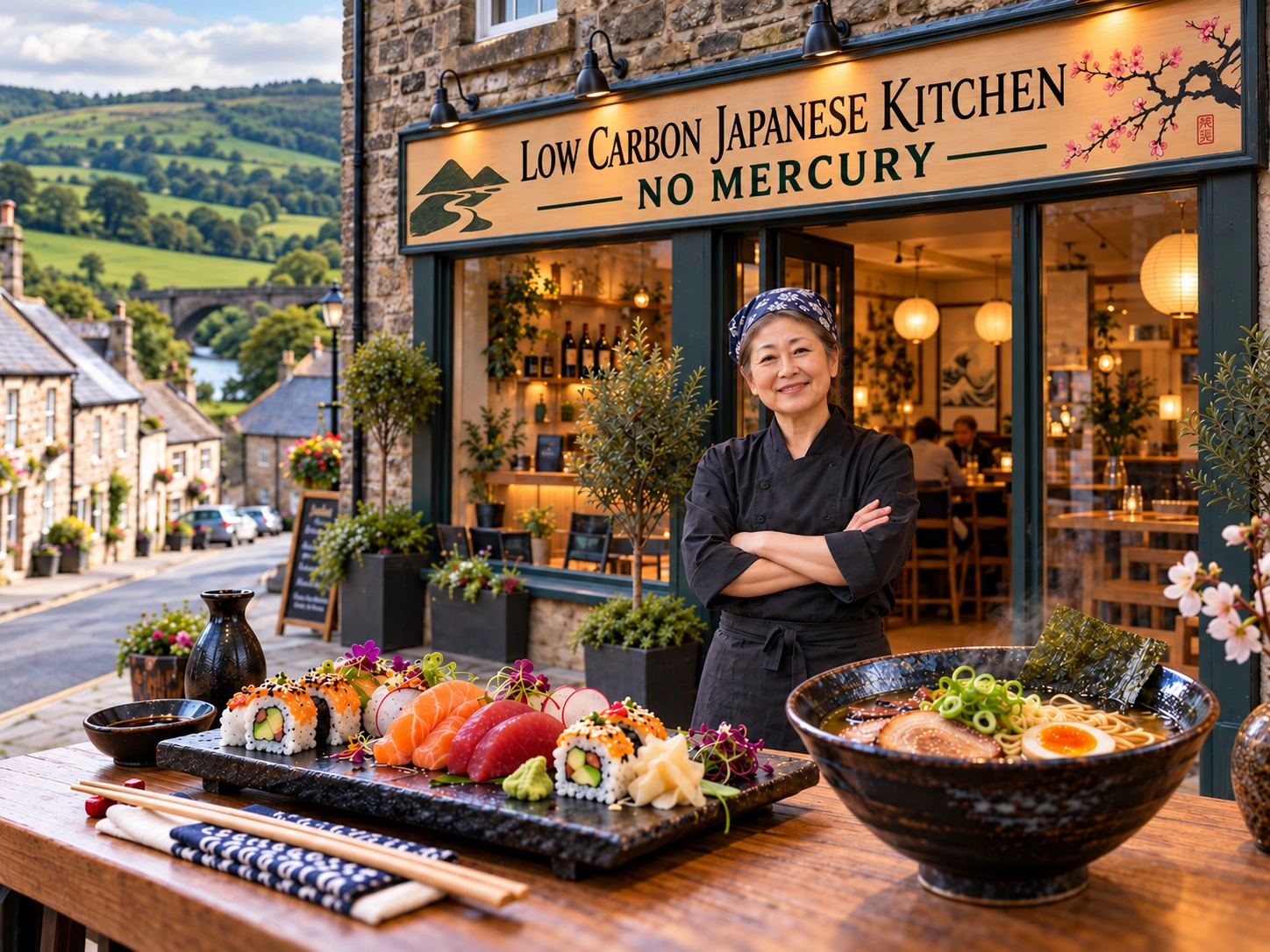
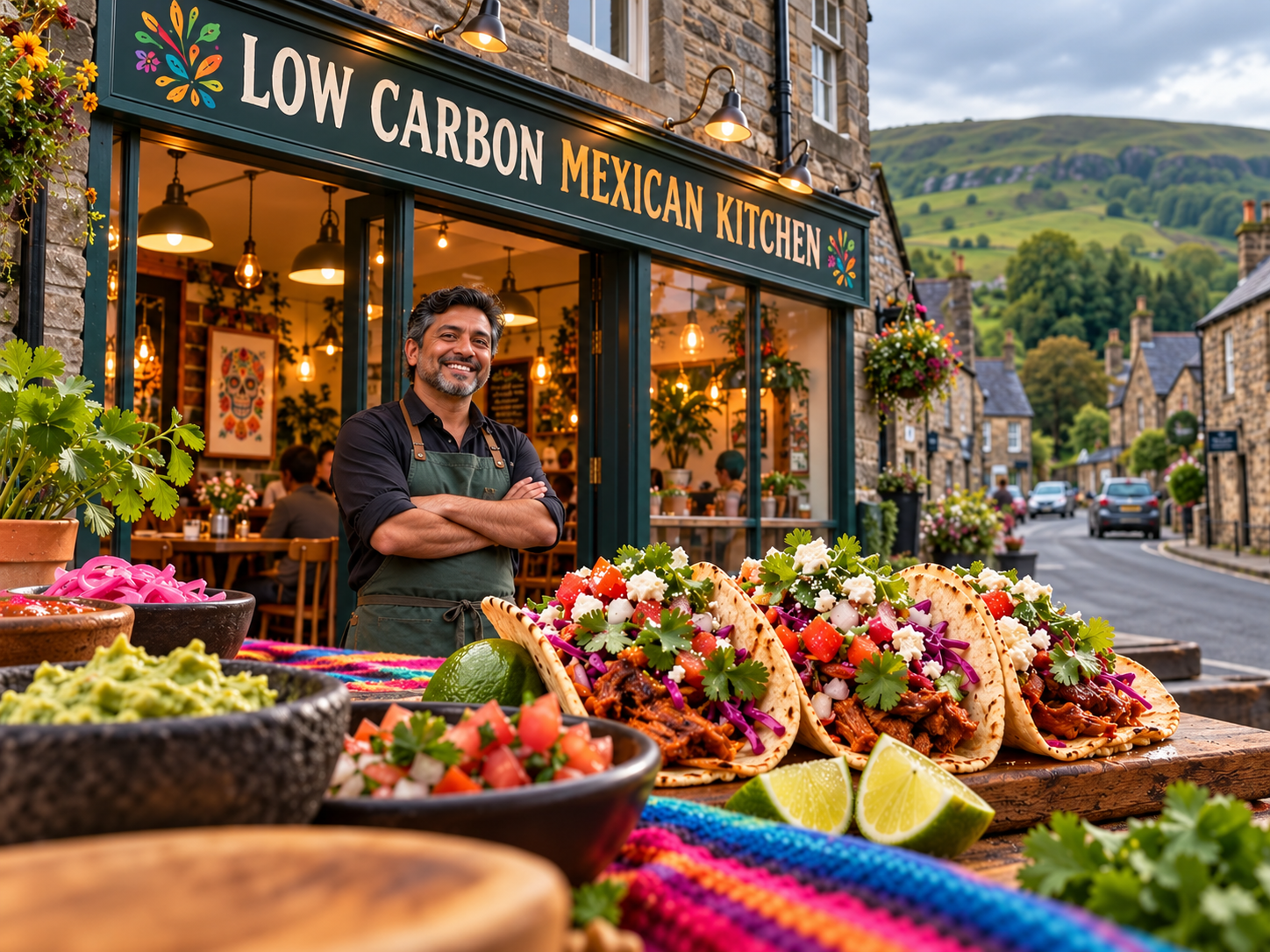
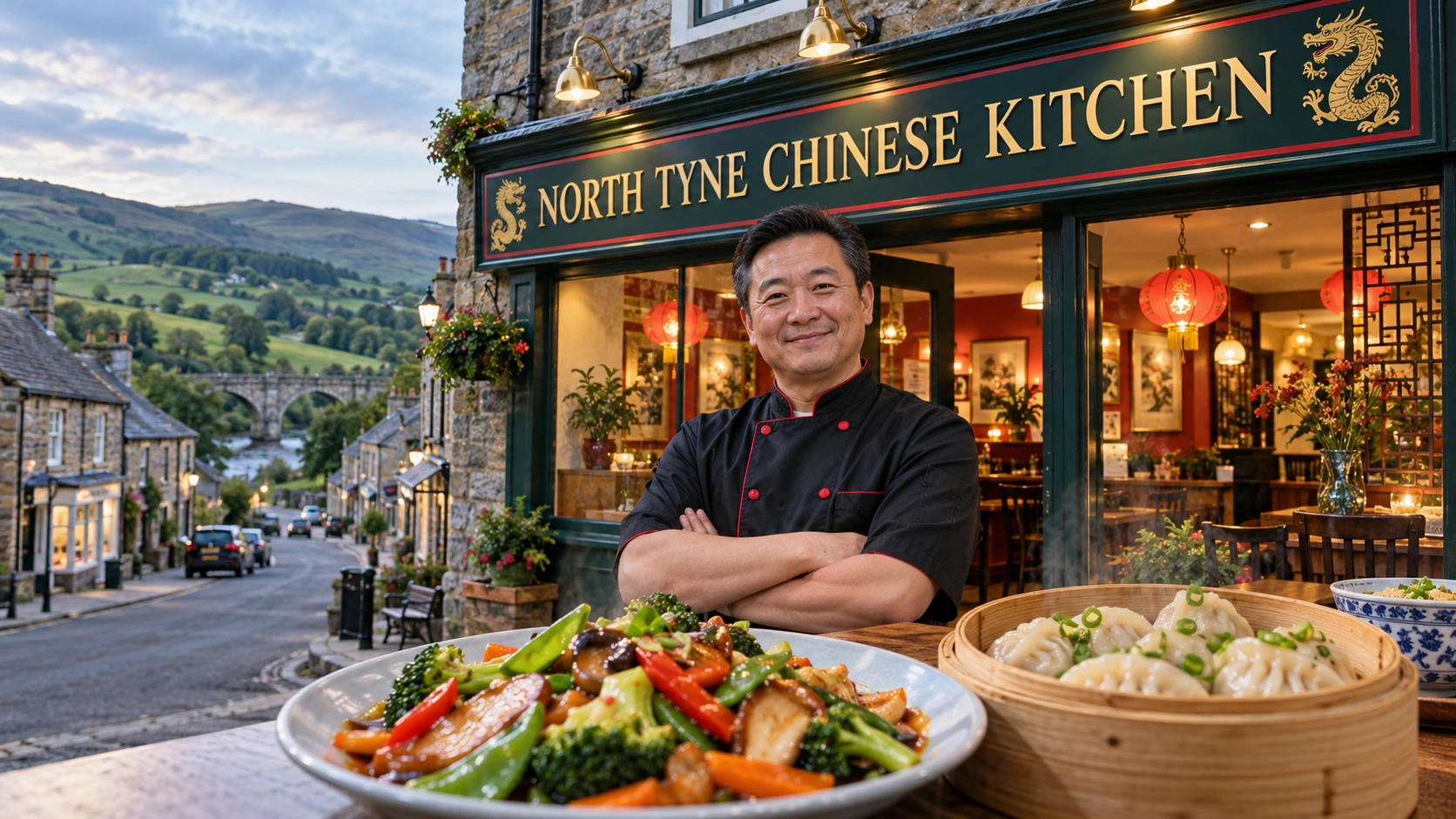
See “Local Farmers Prosper”Every existing business has first right of refusal — never an obligation — to operate the new hospitality venues or to run them with a partner.
 LOW CARBON
 LOW CARBON
Village bakeries could form a cooperative to make bread and baked goods under a farmer-owned North Tyne brand. Flour would be sourced from suitable British suppliers; shared renewable power, recovered heat where useful, and local distribution could help retain more value within participating businesses.
A café and bakery hub can serve workers and visitors while creating an outlet for local corridor products.
 LOW CARBON
 LOW CARBON
 LOW CARBON
 LOW CARBON
 LOW CARBON
 LOW CARBONLOW CARBON
Tell us about your business through the contact form and we'll include you in the information sessions for shops and hospitality.
Go to the form